Why Jute Sarees Kerala are Leading the Sustainable Fashion Movement
The Rise of Sustainable Fashion in India
Fashion in India is changing. Earlier, people focused mostly on trends, colors, and price. Now, buyers are thinking differently. They want clothing that looks good but also feels right ethically. This shift has given rise to sustainable fashion sarees that are made with care for both people and the planet.
Across the country, more women are choosing natural fabrics over synthetic materials. In Kerala especially, awareness about eco-conscious living is growing rapidly. This is one of the reasons why jute sarees Kerala collections are becoming more popular among modern buyers who value both tradition and responsibility.
Why Jute Is a Powerful Natural Fabric
Jute is one of the most environmentally friendly fibers available today. It is derived from plant sources and grows quickly with minimal use of fertilizers and chemicals. Unlike artificial fabrics that are made from petroleum-based materials, jute is biodegradable and safe for the environment.
The cultivation process also absorbs a significant amount of carbon dioxide, helping reduce environmental impact. Because of this, sarees made from jute are not just garments they are conscious choices. When customers invest in sustainable fashion sarees made from jute, they support a fabric that naturally returns to the earth without leaving harmful waste behind.
Perfect for Kerala’s Climate
Kerala’s tropical weather demands breathable and comfortable clothing. Heavy synthetic sarees can feel uncomfortable during long hours, especially in humid conditions. Jute, on the other hand, allows air circulation and keeps the body cool.
This makes jute sarees Kerala shoppers’ favorite choice for daily wear, temple visits, office functions, and even small celebrations. The fabric feels structured yet lightweight, offering both elegance and comfort. Women who prefer practical yet stylish clothing are increasingly adding these sarees to their wardrobe.
Sustainable Fashion Sarees: More Than Just a Trend
Sustainability is no longer a passing fashion trend. It has become a lifestyle movement. Many young buyers now research where their clothes come from and how they are produced. They prefer brands that focus on ethical sourcing and responsible manufacturing.
Sustainable fashion sarees represent this new mindset. They combine beauty with purpose. Instead of contributing to fast fashion waste, these sarees promote thoughtful consumption. Choosing natural fiber garments reflects awareness and responsibility. It shows that style does not have to come at the cost of the environment.
Supporting Indian Weavers and Craftsmanship
Another important benefit of choosing Jute sarees Kerala collections is supporting local artisans. Many of these sarees are woven using traditional techniques that have been passed down through generations.
By purchasing such sarees, customers contribute to preserving India’s textile heritage. Skilled weavers depend on conscious buyers who appreciate quality and craftsmanship. This creates a positive cycle where traditional art forms continue to thrive.
Trusted brands like Pulimoottil Silks have built their reputation by offering quality sarees while maintaining strong roots in tradition. Their collections reflect a balance between heritage and modern sustainability values.
Durability and Long-Term Value
One of the biggest advantages of jute fabric is durability. Unlike low-quality synthetic sarees that may lose shape or texture quickly, jute holds its structure when properly maintained. This makes it a smart long-term investment.
When buyers choose sustainable fashion sarees, they are not just thinking about immediate appearance. They are thinking about longevity. A well-crafted jute saree can remain a timeless piece in the wardrobe for years. Its natural texture gives it a unique charm that does not fade with trends.
Elegant Styling for Modern Women
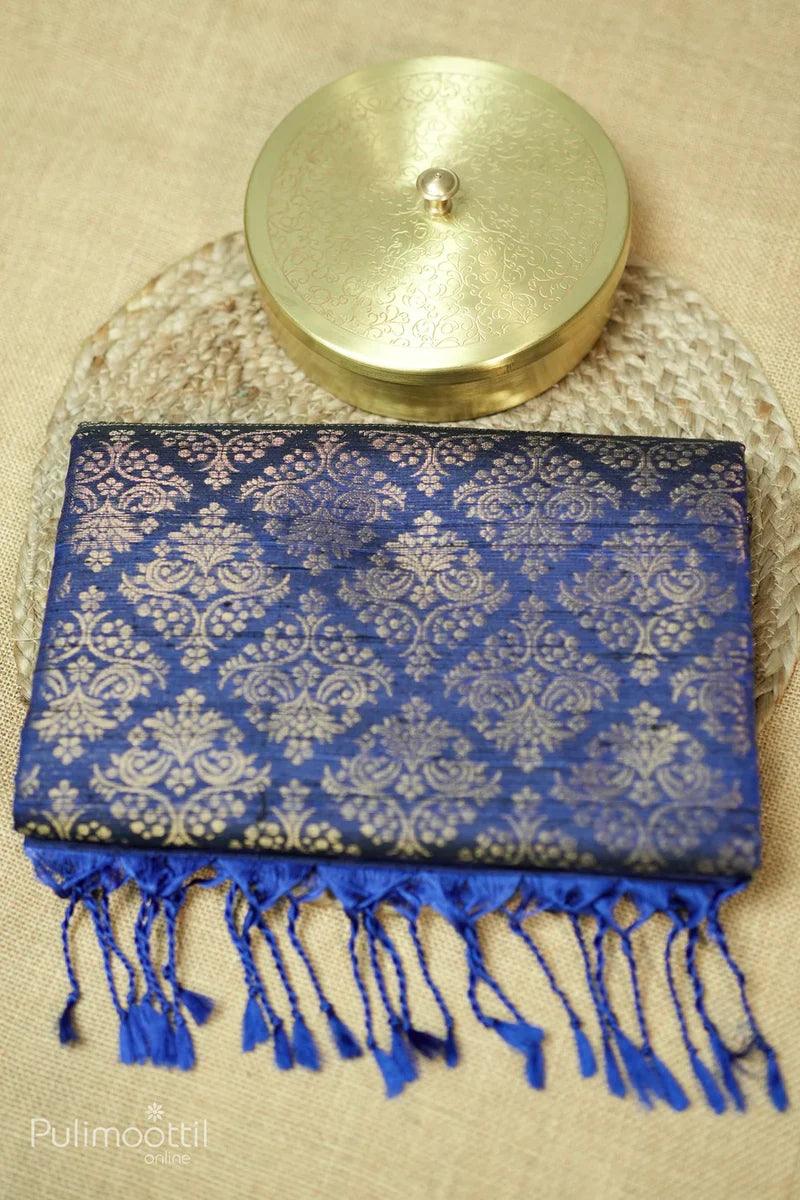
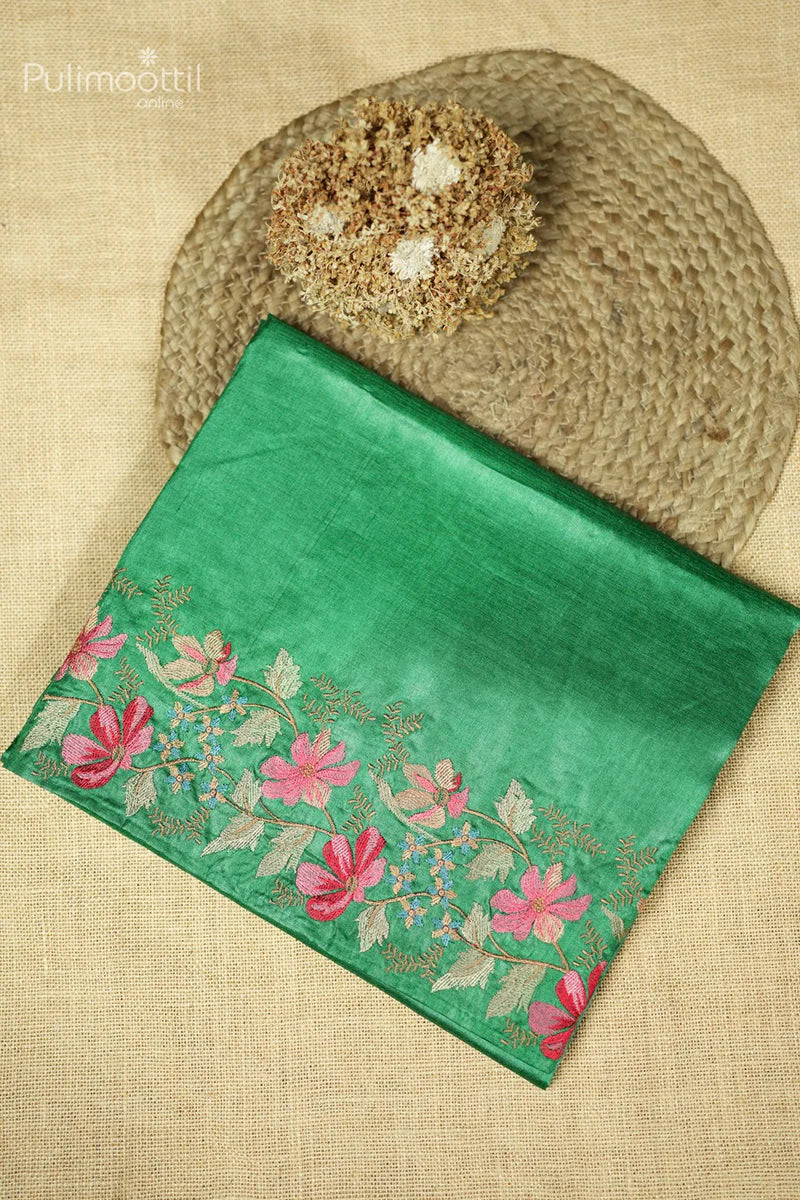
Jute sarees offer versatility. They can be styled in simple, minimal ways for office wear or dressed up with statement jewellery for festive occasions. The natural texture adds depth and character, making it suitable for both traditional and contemporary looks.
In Kerala, many women pair these sarees with handcrafted blouses to create a refined appearance. The earthy tones and subtle patterns enhance the overall elegance without being overwhelming. This adaptability makes jute sarees Kerala collections ideal for women who prefer understated sophistication.
Environmental Impact That Truly Matters
Every purchase decision contributes to a larger environmental impact. Synthetic textiles release microplastics during washing and often remain in landfills for decades. Natural fabrics like jute break down safely without polluting soil or water.
By choosing sustainable fashion sarees, buyers actively reduce their carbon footprint. They encourage responsible farming, lower water consumption, and support eco-friendly production methods. Small decisions like selecting the right fabric can create meaningful long-term change.
The Future of Fashion in Kerala
Kerala has always valued tradition, culture, and quality craftsmanship. As environmental awareness grows, fashion choices are reflecting these values. Jute sarees Kerala collections are perfectly aligned with this transformation.
They represent a future where beauty and responsibility coexist. They show that traditional attire can evolve while remaining rooted in authenticity. With trusted names like Pulimoottil Silks offering thoughtfully curated collections, buyers can confidently choose garments that match both their style and their values.
Conclusion: Fashion with Responsibility
The future of Indian fashion lies in conscious decisions. Sustainable fabrics are not just alternatives; they are necessary solutions. Jute sarees combine comfort, durability, elegance, and environmental responsibility in one graceful package.
By exploring jute sarees Kerala collections and supporting established brands like Pulimoottil Silks, customers participate in a movement that values tradition, craftsmanship, and sustainability.